Design
 Residential
 Commercial
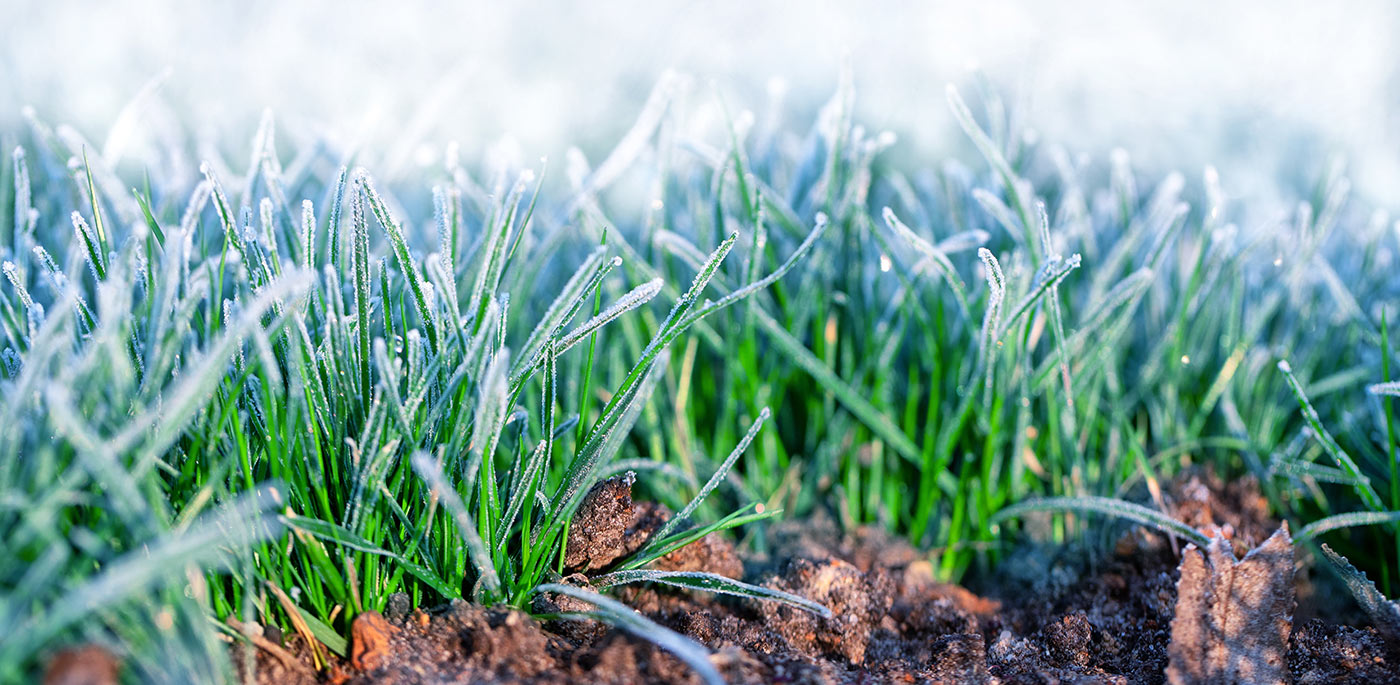


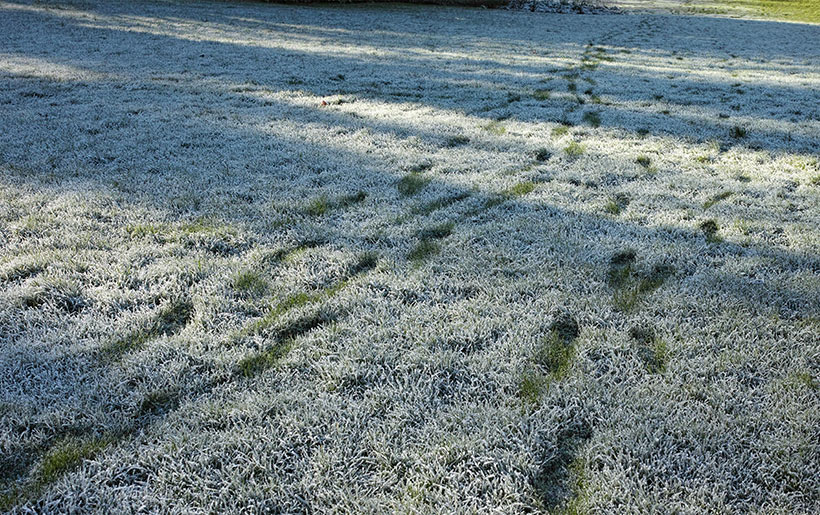
On a clear cold morning in Rockford, a frosty lawn can look beautiful. Every blade is coated in white and the yard sparkles. It also looks harmless, which is why a lot of homeowners do not think twice about walking across it. That is where frost damage starts.
What you do on top of frozen grass can leave marks that show up later as brown tracks, patches, and odd patterns in spring. The good news is that most damage from frost is preventable and even cosmetic if the lawn is otherwise healthy.
What frost does to your grass
Grass blades are full of water. When temperatures drop below freezing, that water turns to ice inside the cells. Frozen cells are stiff and brittle.
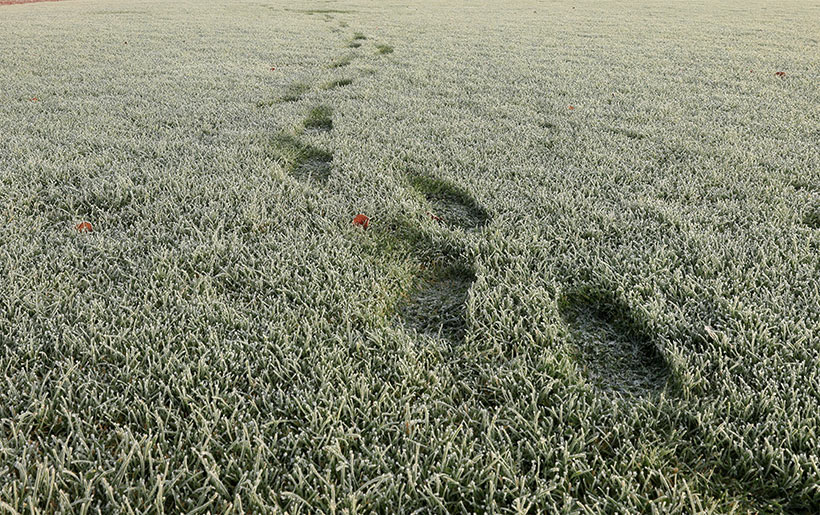
What happens when you walk, play, or drive on frozen lawn:
- Ice crystals inside leaf cells puncture cell walls
- Blades crack or crush instead of bend
- Damaged tissue turns tan or brown
The crown and roots are usually deeper and therefore protected. That is why most frost damage affects the leaves more than the entire plant. Still, repeated injury weakens the turf and makes it slower to recover in spring.
How to recognize frost damage
You do not always see frost damage right away. It often shows up a day or two after the lawn has thawed.
Common signs:
- Brown or tan footprints across the yard that follow a walking path
- Tire tracks or equipment patterns that match where something crossed the lawn
- Patches of grass that look burned or dull in specific traffic areas
These marks often appear in areas that are exposed to early frost, which includes parts of the yard that's away from trees or buildings. If the rest of the lawn looks healthy and only a certain path shows damage, it can be on account of frost.
The good news is that most damage from frost is preventable and even cosmetic if the lawn is otherwise healthy.
Frost damage or something else
Not every brown track is due to frost. It's a good idea to compare what you see with other common issues.
How to tell if it's actually frost damage:
- The imprints where people or pets walked are imminent
- You remember using a wheelbarrow, mower, or vehicle on frozen turf
- The lawn was visibly frosted earlier that day
Other possibilities:
- Salt damage near sidewalks and driveways, often with more severe browning right at the edge
- Disease issues like snow mold, which tend to create matted, circular patches
- Dog spots, which are more random and often appear in small circles
If damage is limited to known traffic areas during frosty periods, frost is usually the cause.
Why frost damage shows more in some lawns
Two adjacent lawns can show different levels of frost damage.
Contributing factors to differentiation:
- Grass type and density
- Overall health and rooting depth
- Early morning lawn activity
Healthy, dense turf with good roots can tolerate occasional light damage better than a thin, stressed lawn. That said, even a well-kept yard can show footprints if there is enough traffic on heavy frost.
Low spots, heavily shaded zones, and areas that hold cold air can also stay frosted longer in the morning, which increases the risk if they are used early in the day.
How to prevent frost damage
The most important prevention step is simple: stay off frozen grass.
Practical habits that help:
- Avoid walking on the lawn when it is visibly silver or white with frost
- Use sidewalks and driveways for early trips instead of cutting across the yard
- Delay mowing until the frost has fully melted and blades feel flexible again
- Keep vehicles and equipment off turf when temperatures are below freezing
You do not have to avoid the lawn all winter. The key times to look out for are those frosty mornings before the sun softens the grass. Once the frost has melted and the turf has had a little time to warm up, normal use is much safer.
If you have service providers who cross the lawn early—like delivery drivers or dog walkers—it can help to remind them to stick to hard surfaces on frosty days.
What to do if frost damage has already happened
If you already see footprints or tracks, there is no need to panic. Frost damage does not automatically mean your lawn is lost.
Steps you can take:
- Avoid additional traffic in those areas while the turf is still stressed
- Maintain regular mowing height when the season allows; do not scalp damaged spots
- Follow a normal fertilization and watering plan appropriate for the season
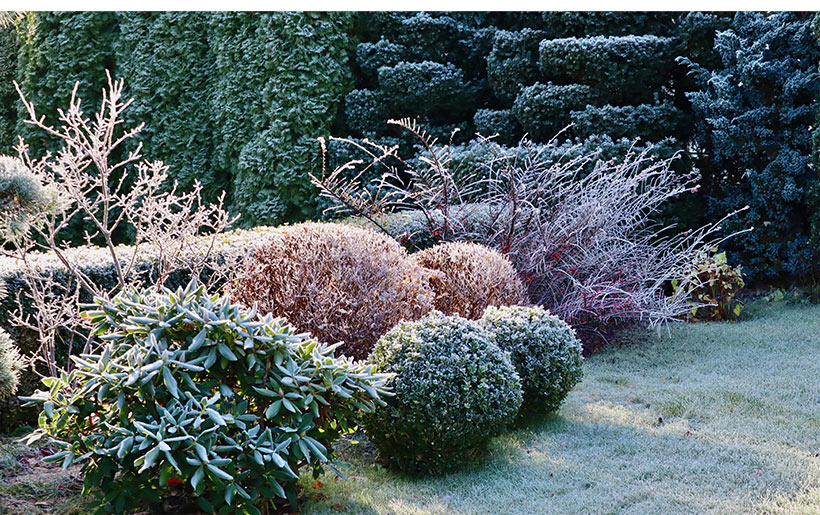
In most cases, as temperatures warm and the grass begins to grow, new blades emerge and gradually hide damaged ones. If the lawn is generally healthy, frost damage often disappears in the spring.
When frost damage needs extra repair
Sometimes frost is just one of several stress factors. If the turf was already thin from disease, drought, or traffic, frost damage can tip it into bare spots.
When you may want to repair an area:
- Brown footprints or tracks do not fill in once growth resumes
- Turf feels noticeably thin or patchy in affected strips
- Weeds start moving into damaged lanes
How to plan:
- Rake lightly to remove dead material and stand turf upright
- Loosen the top layer of soil if it has become compacted
- Overseed with a suitable grass blend during the best window for seeding
- Keep new seed evenly moist until it is established
This turns a damaged track into an opportunity to improve that part of the lawn.
Frost and snow together
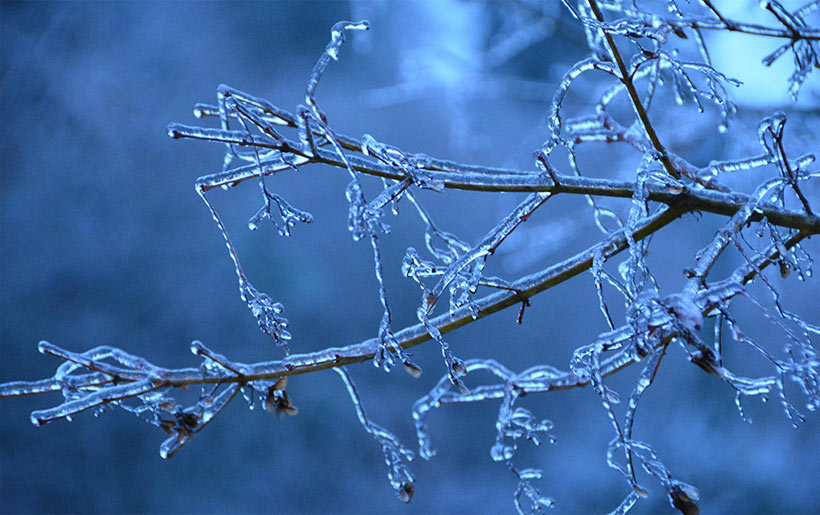
Snow on top of grass can actually protect the lawn by insulating it from wind and temperature swings. The main risk for frost is when turf freezes without snow cover or when a light dusting hides ice and frost.
On days with thin snow and visible turf:
- Treat exposed frosted areas with the same care
- Be cautious about short cuts across the yard
- Watch edges where plows and shovels can scrape frozen grass
As winter settles in and snow becomes more permanent, mechanical damage from plows, shovels, and foot traffic can become a bigger risk than what a single frosty morning will give you.
When to ask for help
Most frost damage does not require special products or complicated treatments. It either grows out with time or is handled as part of a standard overseeding plan.
When it's a good idea to get a professional opinion:
- Large sections of the lawn fail to green-up in the spring
- Patterns do not connect to traffic or frost events
- You question whether you are dealing with frost, disease, salt, or a mix of issues
The LawnCare by Walter team can help you sort out what is winter injury and what is frost-specific. Frost is a normal part of life in northern Illinois. With a little care on those bright cold mornings, you can keep temporary footprints from becoming long-term scars in your yard.
 Max 6 min read