Design
 Residential
 Commercial
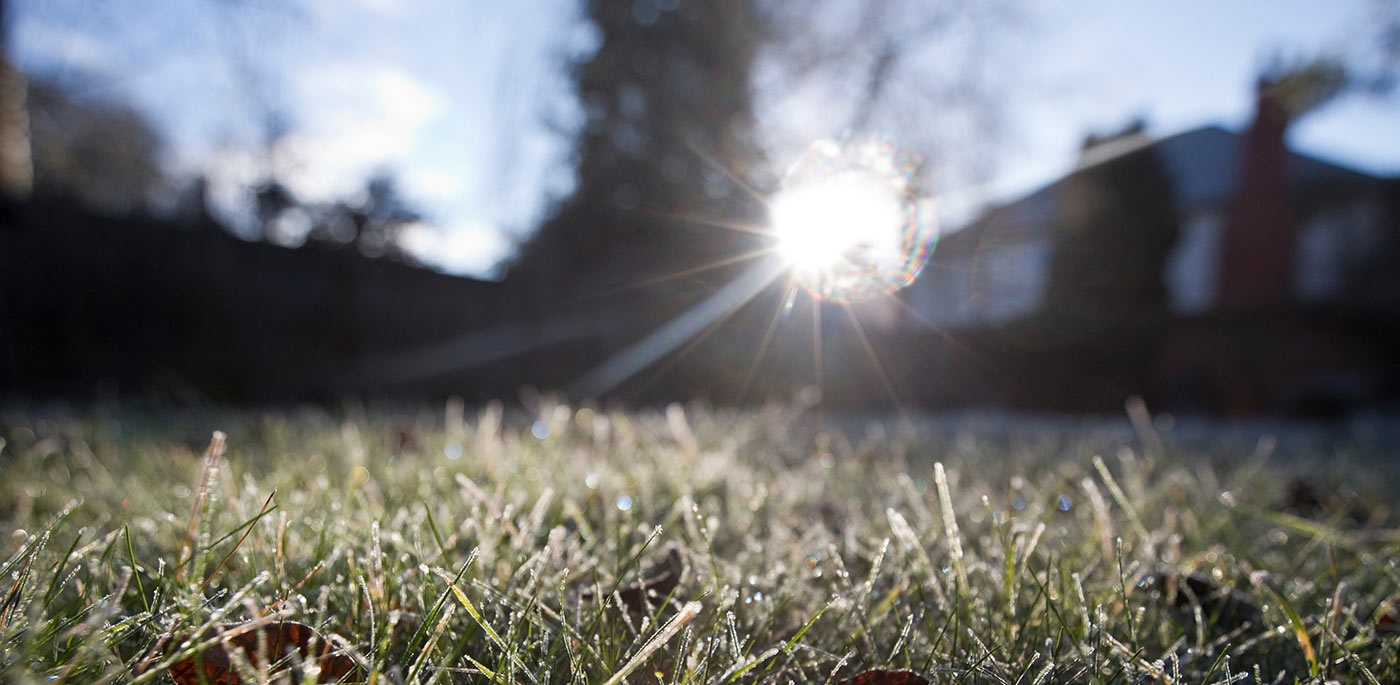


Every year your lawn hits a point where it quietly shifts from growing to resting. The grass is not dead; it's simply entering a dormancy phase. This is a natural slowdown that allows the turf to survive the cold, snow, and wind during the harsh winter months.
How you treat the lawn in the weeks leading up to dormancy has a big impact on how it will look next spring. Think of it as getting your yard ready for a long winter's nap.
Once the lawn is fully dormant and often under snow, the main goal is to avoid physical damage.
What dormancy is
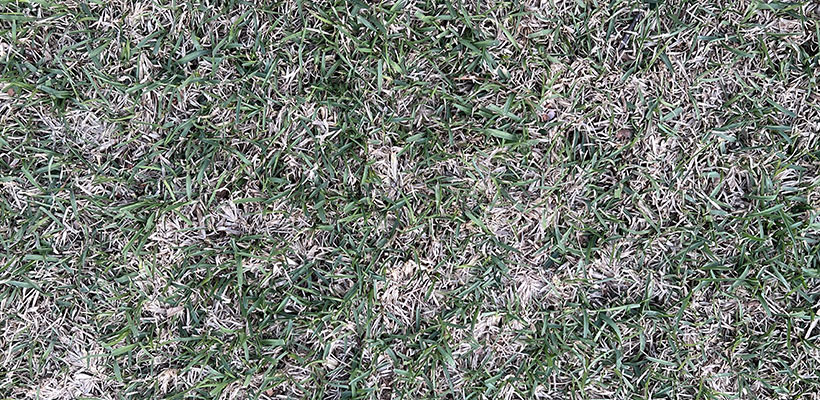
Dormancy is the lawn's way of powering down without shutting off completely. Cool season grasses tend to respond to colder temperatures and shorter days.
Here is what happens during dormancy:
- Top growth slows
- Energy shifts into the roots and crowns
- Color changes slightly as growth stops
The lawn may not look as vibrant during dormancy, but it's protected. A dormant lawn is less likely to get damaged by winter's ills than one that is in the midst of progressive growth.
The goal is not to keep the lawn looking green until winter. The goal is to get the lawn healthy, dense, and well-rooted before it rests.
Signs your lawn is getting ready to go dormant
You will usually notice a few changes as dormancy approaches:
- There is less need to mow because grass growth has slowed
- After the color deepens, it fades slightly toward a duller green or light tan
- Shady or exposed areas slow first, while protected spots lag behind
Soil temperature, not the calendar, is what drives this. Two lawns on the same street can shift at slightly different times based on shade, soil type, and moisture.
Once you see growth slowing, it is time to focus on a few key tasks before the ground freezes.
Step 1: Finish the season with proper mowing
In the weeks before dormancy, the purpose of mowing is to set your lawn up for winter, not make it perfect.
Helpful guidelines:
- Maintain a healthy height through fall, usually around 3 inches
- Gradually lower the height slightly, but do not scalp during the final mows.
- Avoid cutting off more than one third of the blade at a time
Dormant grass does not repair itself until growth resumes, so winter injury can linger well into spring.
Leaving the grass a bit shorter going into winter can reduce matting and help prevent snow mold, but very short turf exposes crowns to cold and can invite winter injury.
Your mower blade should still be sharp. Dull blades tear leaf tips and leave the lawn more vulnerable to stress at exactly the wrong time.
Step 2: Keep leaves from smothering the turf
Colorful leaves are great for fall photos, but aren't ideal for loitering around on your grass all winter.
What a load of leaves can do:
- Block light and air flow
- Trap moisture against the turf
- Encourage disease and decay
You do not need a spotless yard. You do want to avoid mats, however.
Options that work well:
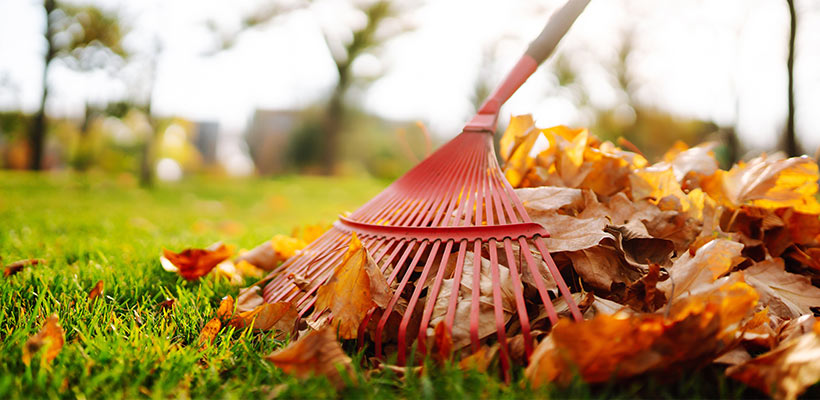
- Mulch lightly fallen leaves into the lawn with your mower so they break down in the soil
- Rake or blow heavy accumulations off the turf, especially in low spots and shady areas
- Move some leaves into beds, around trees, or into a compost where they can be useful
Your lawn can handle some leaf confetti, but you'll want to avoid leaving a soggy blanket of leaves throughout the winter. Think of it as going on vacation and not taking out the trash or running the dishwasher. You can take care of it when you come back, but you won't enjoy it when you do.
Step 3: Use late season nutrition wisely
For cool season lawns, a well-timed late fall fertilizer application is one of the most valuable steps you can take.
What a good feeding in the fall will do:
- Build and repair roots before the soil freezes
- Increase stored energy in crowns
- Support stronger green-up earlier in spring
This is not about pushing lush top growth at the last minute. It is about feeding the root system as the plant prepares to rest. If you manage your own fertilizer, this is usually a higher priority than extra spring applications. If you are on a professional program, the final visit is often designed specifically to prepare the lawn for dormancy.
Step 4: Adjust watering as the season shifts
As temperatures drop and rainfall changes, your lawn's water needs change too.
General tips:
- Continue deep, occasional watering if the fall is dry and the soil is not frozen
- Begin to reduce irrigation as growth slows and natural moisture increases
- Turn off and winterize irrigation systems before they freeze
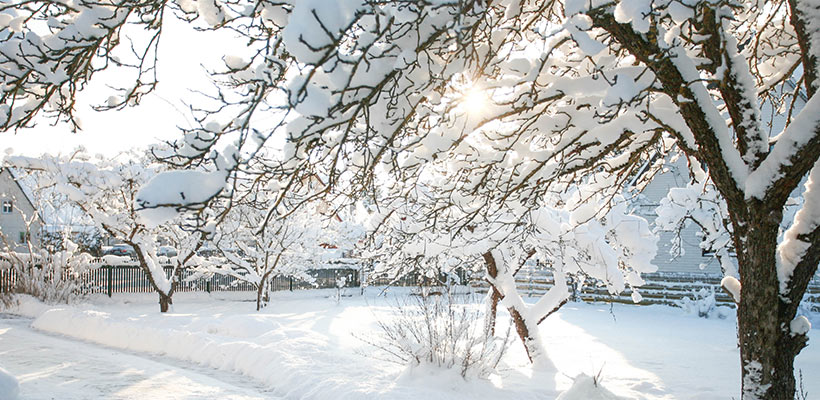
You do not want the lawn bone dry going into winter. At the same time, constantly wet soil and crowns in cold weather can invite disease. Aim for even, moderate moisture—not saturation.
Once the ground is frozen, surface watering does not help the roots and is not necessary.
Step 5: Protect dormant turf from winter abuse
Once the lawn is fully dormant and often under snow, the main goal is to avoid physical damage. Dormant grass does not repair itself until growth resumes, so winter injury can linger well into spring.
Simple protections:
- Keep regular foot traffic to sidewalks and driveways instead of across the yard
- Avoid parking vehicles on the lawn, even "just for a little while"
- Place markers near the driveway and other concrete surfaces to prevent shovels from tearing up the turf
- Try not to pile large amounts of snow mixed with saltly heavy slush in the same spot every time
Your lawn can handle a bit of winter life, but not the repeated crushing, scraping, and salty overloads in concentrated areas.
Step 6: Plan for spring, then let the lawn rest

Preparing for dormancy is also a good time to look ahead. While things are fresh in your mind, make a short list:
- Identify areas that stayed thin all year
- Note zones that were prone to disease, drought, or heavy wear
- Consider the areas where you would overseed or improve drainage
Write it down or save it on your phone. Then let the lawn rest. Dormancy is not a failure, it's a healthy built-in part of the life cycle for cool season turf in northern climates. When you support that cycle, you give your yard a better chance at being thick, resilient and attractive next year.
If you are unsure whether your lawn is entering normal dormancy or showing signs of something else, let the LawnCare by Walter team help you. We'll let you know what your turf is up to and set a plan in place so that it thrives next season.
 Max 6 min read