Design
 Residential
 Commercial


If your lawn could write you a thank you note, it would not brag about the fancy seed you once bought. It would thank you for the steady habits that quietly keep it healthy: how you mow, when you water, and what measures you take in the fall when most people stop paying attention.
Your grass might also slip in a few complaints about that time you scalped it before a hot spell or let leaves sit until February.
What your lawn is genuinely grateful for
1. A steady mowing routine at the right height
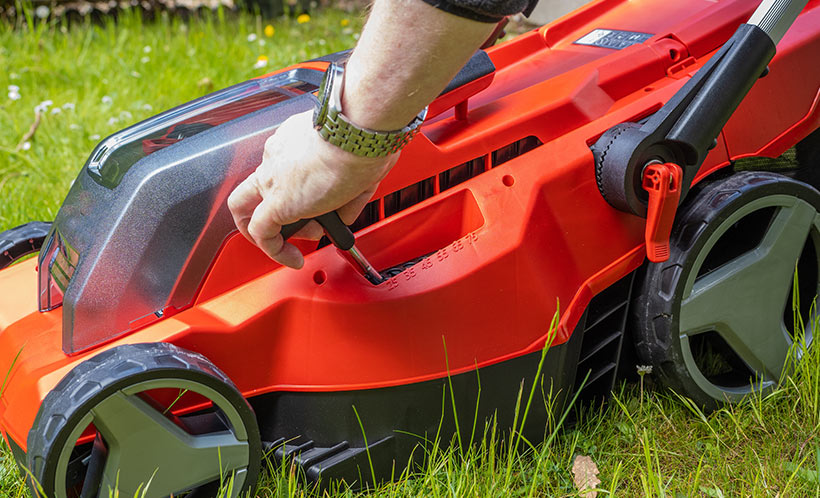
Cool season grasses do best a bit taller, around 3 to 3.5 inches for most of the growing season.
Your lawn likes it when you mow often enough that clippings are small and can sift down into the canopy. It does not need you to drag its nutrients to the curb every week.
Details from a typical thank you note:
- It's thankful for the shaded soil that stays cooler and holds moisture
- It's thankful for the ability to crowd out many weeds
- It's thankful for its deep roots that handle traffic and dry spells
Your lawn also likes routine. Following the one third rule and using a sharp blade keeps cuts clean and reduces stress. From the turf's point of view, regular, moderate mowing is much better than letting it grow tall and then chopping it short.
2. Deep drinks at the right time
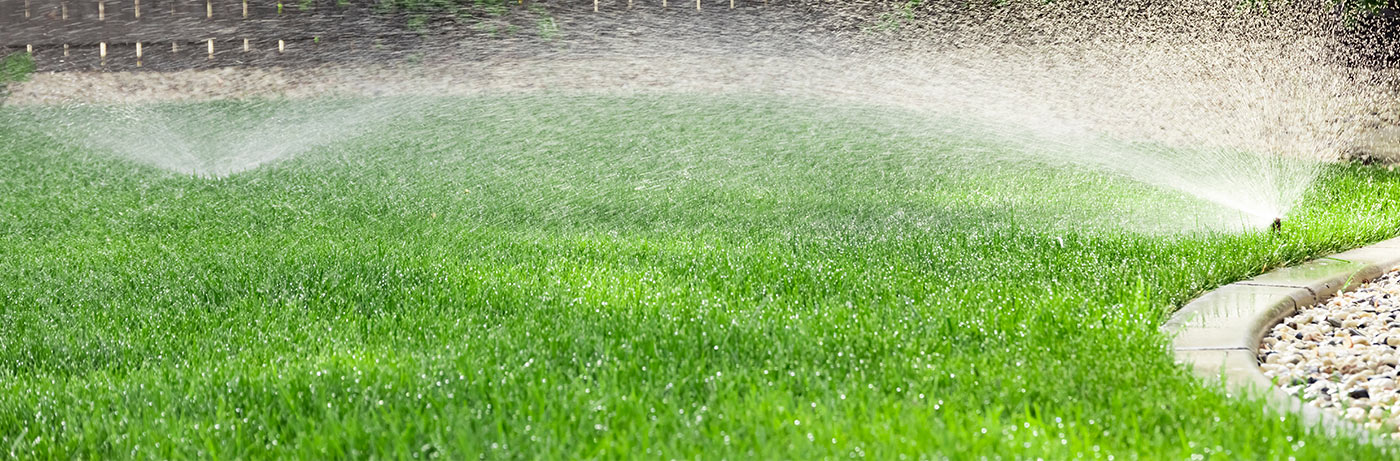
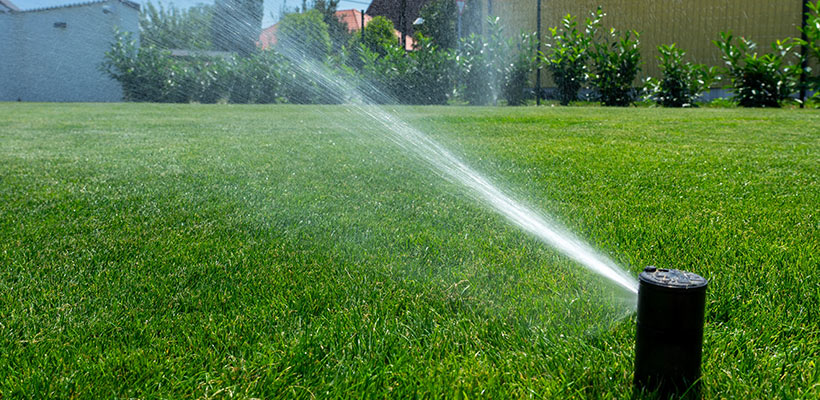
Your grass prefers a good drink, not a quick sip every day. Deep, infrequent watering encourages roots to go down instead of staying near the surface.
What your lawn wants you to do to make it happy:
- Aim for roughly an inch of water a week from rain and irrigation together
- Water in the early morning
- Let the top layer of soil dry slightly between waterings
That pattern fits how cool season turf behaves. Roots stay deeper, blades stay stronger, and diseases are less likely to survive.
3. Fall attention instead of spring panic
From the lawn's perspective, fall is when your work matters most. Soil is still warm, weeds are slowing, and the plant is focused on roots.
When your yard is grateful:
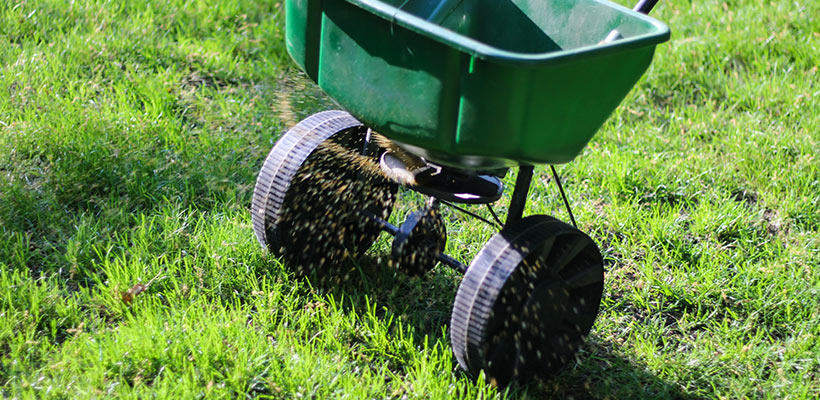
- When you overseed thin areas in late summer or early fall
- When you aerate compacted soil
- When you apply a balanced fertilizer designated for fall
Those steps help it recover from summer, build reserves, and head into winter stronger. A quiet afternoon of fall care does more long-term good than a rushed "fix everything" weekend in May.
4. Grass clippings left to do their job
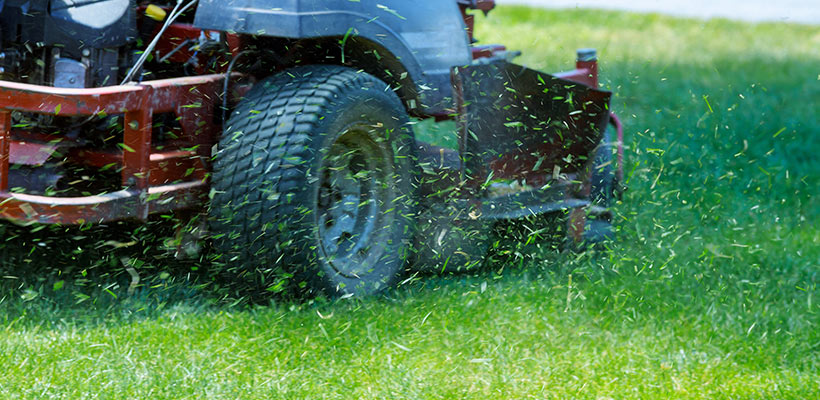
When you leave normal clippings on the lawn instead of bagging every pass, you are doing your turf a favor. Short clippings break down, feed the soil, and do not create thatch when mowing is done at the right height.
Your lawn likes it when you mow often enough that clippings are small and can sift down into the canopy. It does not need you to drag its nutrients to the curb every week.
5. Seasonally smart feeding
With fertilizer, your turf appreciates a plan more than a guess. A good program supports spring and fall growth, helps the lawn recover from summer stress, and prepares it for winter.
When your grass thanks you:
- When you use moderate rates instead of heavy dumps
- When you emphasize fall feeding for roots
- When you choose quality products and stick to a schedule
Steady nutrition grows dense turf that naturally resists weeds and disease.
Dropping the mower two notches and cutting off most of the leaf might eliminate a mowing job, but it costs your lawn. Scalping removes shade, exposes crowns, and weakens roots.
What your lawn really does not appreciate
1. Scalping before heat or stress
Dropping the mower two notches and cutting off most of the leaf might eliminate a mowing job, but it costs your lawn. Scalping removes shade, exposes crowns, and weakens roots.
Your grass would rather you adjust height gradually and keep it on the higher side heading into summer.
2. Night watering that keeps leaves wet
Evening watering can look efficient, but long wet nights invite disease. Many summer problems thrive when blades stay damp for hours.
From the turf's point of view, early morning watering is much better. It still gets the moisture, then the sun and breeze help grass blades dry.
3. Ignoring traffic patterns
Your lawn notices where feet, paws, and wheels always travel. Narrow strips from the driveway to the back door, dog paths along the fence, and spots under play equipment are under constant stress.
Your yard would love it if you occasionally moved play structures, added stepping stones where everyone already walks, or used mulch or pavers in areas where grass never survives. Matching the surface to how you use the space makes life easier on the turf.
4. Letting leaf blankets smother it
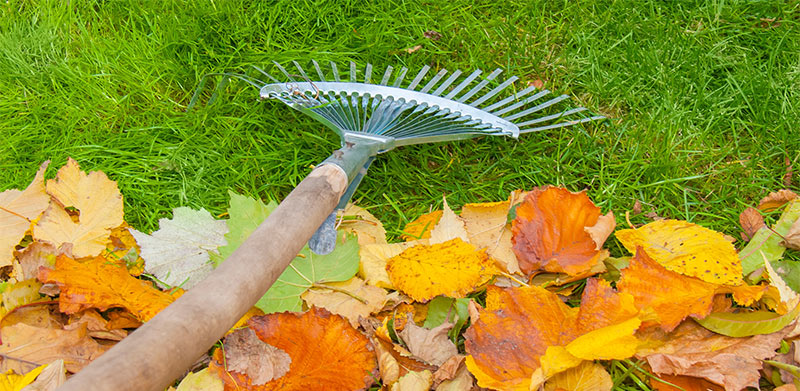
Leaves are fine. Leaf blankets are not. Thick, wet piles block light, trap moisture, and set the stage for disease.
Your lawn is happy when you mulch a light layer into the canopy or clear heavy accumulations from key areas. It struggles when a knee-high drift sits on the same patch from late fall until the snow melts.
5. Mystery products with no real diagnosis
From your lawn's perspective, random sprays and granules are guesswork. They're sometimes helpful, but sometimes not. They can even be stressful at times.
When your lawn might actually send you a Dear John letter:
- You exercise massive weed control when only a few spots have invaders
- You apply fungicides or insecticides as a preventive measure
- You overlap treatments that burn the grass more than eradicate the original problem
Your lawn would rather you watch for patterns, ask for help when you are unsure of what it's thinking, and use targeted treatments once you know what you're actually dealing with. The soil and beneficial insects will thank you as well.
A simple "lawn gratitude" checklist
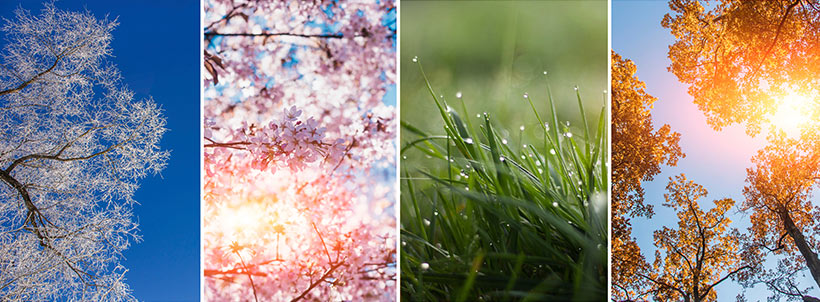
If your lawn could hand you a short wish list, it might look like this:
Spring
- Ease into mowing with a sharp blade
- Avoid heavy fertilizer to force fast growth
- Fix drainage and compaction in known trouble spots
Summer
- Keep mowing height on the higher side
- Water deeply in the morning when the lawn needs it
- Watch for early signs of pests or disease
Fall
- Overseed thin areas while soil is still warm
- Aerate high traffic zones if the soil feels tight
- Manage leaves so they don't smother the lawn
Winter
- Keep foot traffic on sidewalks and driveways
- Avoid parking vehicles on frozen or snow-covered turf
- Let the lawn rest and recover under its snow blanket
You do not have to hit every item every year. Even a few of these habits, done consistently, make a visible difference over time.
When to ask for backup
Sometimes your lawn sends signals that are hard to read. Rings, repeated dead patches, odd colors, or unrecognizable insects are all signs that a second opinion would help.
What LawnCare by Walter can do:
- Translate what your lawn is telling you
- Build a fertilization and weed control plan that fits your yard and budget
- Schedule aeration, overseeding, and other services accordingly
Lawn gratitude is not about perfection. It's about a healthy, comfortable yard that fits the way you live and rewards you with more green than grief.
If you focus on the habits your grass truly appreciates and ease off the ones it does not, your lawn will keep saying thank you the only way it can: through thicker growth, fewer weeds, and by allowing you to have that surge of satisfaction every time you step outside to admire it.
 Max 6 min read