

 Design
  Residential
  Commercial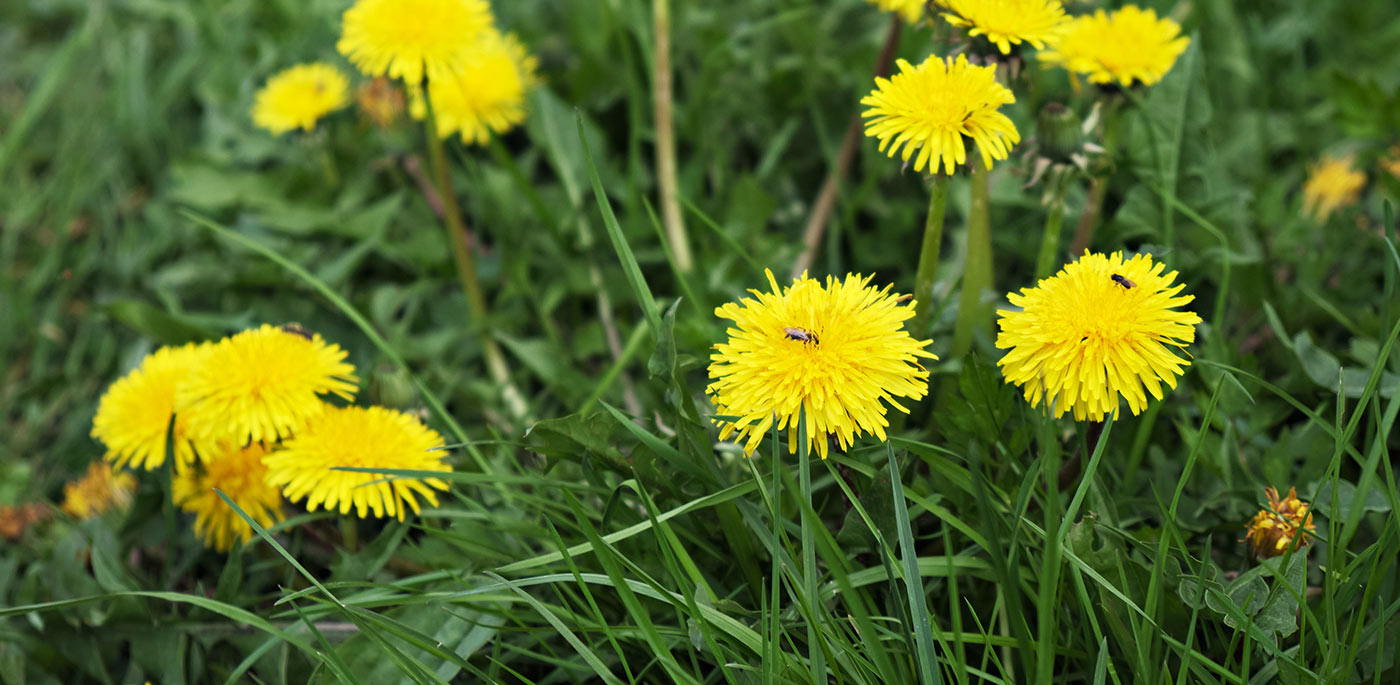


For a lot of homeowners in northern Illinois, dandelions are the first sign of spring, but not a welcome sign for most homeowners. While such bright yellow flowers might look cheerful in a distant field, they remain unwanted guests in one's yard.
Dandelions have a way of choosing where to hunker down and grow, but the good news is, they're not invincible. If you take the time to understand how dandelions grow and prosper, you'll have a better chance of taking back ownership of your yard.
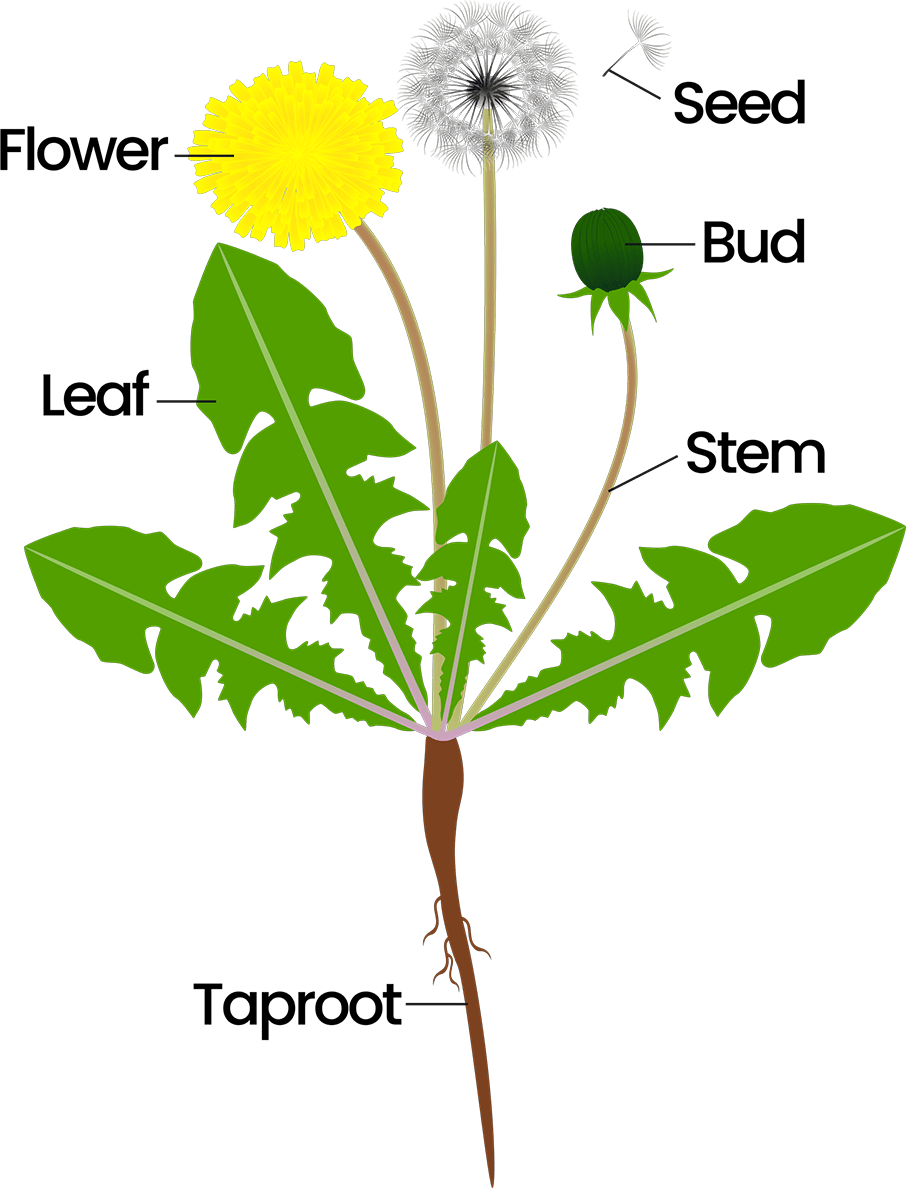
The taproot is key. If you break off the top and leave a big chunk of the root in the soil, the plant can regrow. That is why breaking dandelions at the stem fails to eliminate them.
What are these dandelions doing in my lawn in the first place?
Dandelions are deep-rooted perennial weeds. That means they come back year after year from the same root system rather than starting over from a new seed every spring.
What each plant has:
- A rosette of leaves that hugs the ground
- Thick taproots that can reach several inches or more into the soil
- Hollow stems that hold bright yellow flowers, which later turn into white puffballs
The taproot is key. If you break off the top and leave a big chunk of the root in the soil, the plant can regrow. That is why breaking dandelions at the stem fails to eliminate them.
The two key ways in which dandelions spread:
1. Seed
Each white puffball carries dozens of seeds that can travel long distances in the wind. Those seeds eventually settle into thin spots and bare soil. You may not have dandelions, but the seeds from your neighbor's yard may blow your way and find a home in your lawn, particularly where the soil is exposed.
2. Root pieces
When dandelions are hand-pulled or cut off by tools, any large root piece left behind has a good chance of resprouting. That is why you may feel like you are pulling the same plant over and over again.
Why do these dandelions pick my yard?
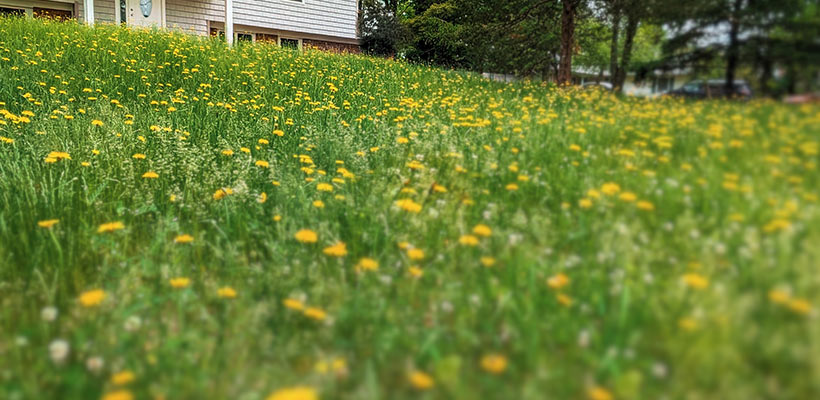
Dandelions are opportunists. They are not a sign that your entire lawn is failing; they are a sign you have vacancies at their disposal. Here's what a vacancy looks like:
- Thin turf that's usually caused by drought, heavy traffic, or disease
- Compacted soil where grass struggles to root deeply
- Areas that have not been overseeded in a long time
- Lawns that are scarcely fertilized
Dandelions love long edges and tend to congregate in high-traffic areas and in spots where soil has been disturbed.
What can I do right now?
Quick removal is helpful, but long-term control is really essential to making your lawn dandelion-proof.
For small infestations or a few visible dandelions in key areas, removing the weeds by hand can work if you do it meticulously.
Tips:
- Use a dandelion tool or narrow weeder to reach down beside the root
- Wiggle the tool to loosen soil and pull slowly to remove as much root as possible
- Do this when the soil is moist in order to allow the roots to slide out easily
While you'll rarely get every section of the root, the more you remove, the more you weaken that plant.
When should I use weed-control products?
For mass amounts of dandelions, homeowners often select broadleaf herbicides that target the culprits without harming the grass. Remember, timing matters.
- Spring is a good time to use a weed killer. This is when dandelions are actively growing.
- Fall is also a good time because the energy from the weed is gravitating toward its roots.
If you are using a weed killer, be sure to follow the instructions carefully because if nearby plants come into contact with the chemical, you may kill them too. Best to not use weed killer on a windy day.
Will I see fewer dandelions over time?
Quick removal is helpful, but long-term control is really essential to making your lawn dandelion-proof.

Build a thick turf
Maintaining a dense lawn is your best defense. Dandelion seeds prosper in bare spots, so the thicker the lawn, the harder it is for seeds to take hold of it. Some great preventive tips:
- Overseed thin areas during late summer or early fall
- Use quality seed suited to northern Illinois; avoid bargain mixes
- If soil is compacted, combine overseeding with core aeration
Feed the lawn, not the weeds
Regular fertilization strengthens turf so it can compete better with broadleaf weeds. Many lawns inundated with dandelions are underfed.
What a steady program that focuses on fall feeding does:
- Thickens the grass
- Improves color and recovery
- Reduces the number of vulnerable spots
The goal is not to blast everything with fertilizer. It is to keep the grass supplied with what it needs throughout the season.
Water wisely
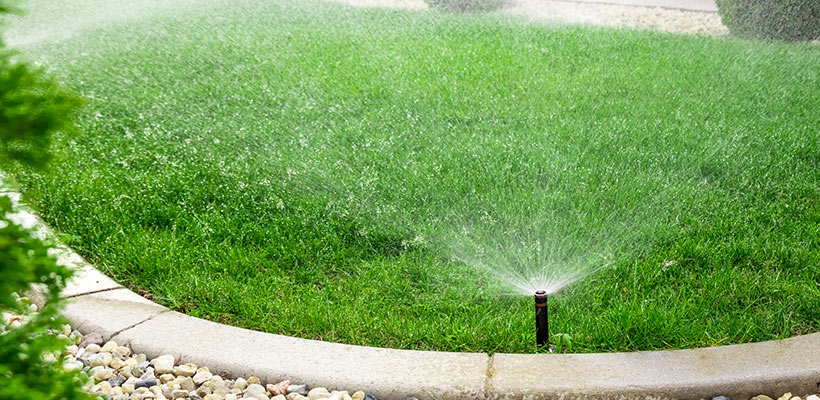
Deep-rooted dandelions tolerate drought better than shallow-rooted, stressed grass. Watering properly narrows that advantage.
Best watering practices:
- Water deeply and infrequently
- Water early in the morning
- Avoid light daily sprinkling
Healthy grass with good roots will outnumber your dandelions. Avoid a sprinkle of water here and there because that will help weeds grow more than grass.
Should I use a preemergent herbicide?
Preemergent herbicides are often used for crabgrass and other annual weeds. They can have some effect on preventing seed germination, but they do not affect established dandelion plants or deep taproots.
For dandelions, a preemergent herbicide alone will not solve the problem. While it can be part of a broader program, it's not a primary tool.
When should I get help?

If your lawn has more dandelions than blades of grass in certain areas and you can't seem to conquer the problem year after year, it may be time to consult a professional.
How the team at LawnCare by Walter can help:
- Assess why dandelions are thriving in your specific yard
- Assemble a plan that combines weed control with fertilization and overseeding
- Apply timely treatments that are ideal for local conditions
Dandelions will always be part of the neighborhood, but they do not need to be the main feature of your yard. With stronger turf, smarter timing, and a little patience, you can move from a "sea of yellow" to a "field of green," where dandelions are occasional visitors, not permanent guests.
 Max 6 min read